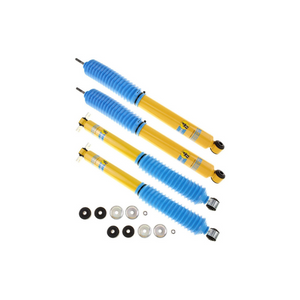
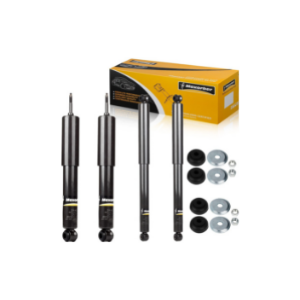
If your vehicle has crossed 80,000 miles with the same suspension parts, it may be time to learn how to replace shocks and struts.
Worn shocks and struts can reduce ride comfort, affect steering control, and make driving less safe. The good news is that modern pre-assembled strut kits have made the replacement process much easier for DIY car owners.
You no longer need to handle complicated spring assemblies, which saves both time and effort. With the right tools and a little patience, you can replace your shocks and struts at home in just a few hours.
Follow this step-by-step guide to restore your vehicle’s smooth handling and enjoy a safer, more comfortable ride.
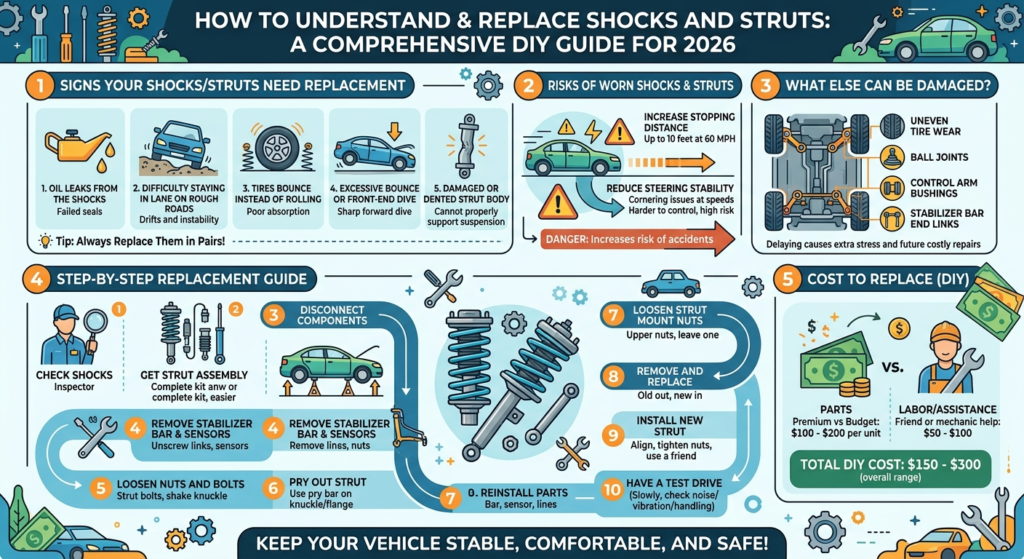
How should you understand that your car needs a new shocks and struts?
Table of Contents
Your car’s shocks and struts play an important role in providing a smooth and safe ride. Ignoring worn-out shocks can lead to poor handling, uncomfortable driving, and even safety risks. Here are five clear signs that your shocks and struts may need replacement. For the best performance, always replace them in pairs.
1. Oil Leaks from the Shocks
If you notice oil leaking from the shocks, it means the seals may have failed and the shocks are no longer working properly. Replace them as soon as possible to prevent further suspension damage.
2. Difficulty Staying in Your Lane on Rough Roads
If your car feels unstable or drifts while driving on bumpy or gravel roads, worn shocks or struts could be the cause. They are essential for maintaining control and stability.
3. Tires Bounce Instead of Rolling Smoothly
If your tires bounce excessively over bumps, your shocks are likely no longer absorbing impacts effectively.
4. Excessive Bounce or Front-End Dive While Braking
If your vehicle sways, bounces too much, or dips forward sharply when braking, it’s a strong sign that your shocks and struts are worn out and need replacement.
5. Damaged or Dented Strut Body
A dented or damaged strut body cannot properly support your vehicle’s suspension system. Replace it immediately to restore safe handling and ride comfort.
By recognizing these warning signs early and replacing worn shocks and struts on time, you can keep your vehicle stable, comfortable, and safe to drive.
Is it risky to drive on a worn out shocks and struts?
Yes, driving with worn-out shocks and struts can be dangerous. Damaged shocks can increase your stopping distance by up to 10 feet when driving at 60 MPH. That extra distance could be the difference between avoiding an accident and getting into one.
Worn shocks also reduce steering stability, especially when cornering at higher speeds. This makes your vehicle harder to control and increases the risk of accidents.
To maintain safe handling and ride comfort, replace worn shocks and struts as soon as you notice signs of wear.
What are the other car parts will damage if you do not replace the worn out shocks and struts on time?
Delaying shock and strut replacement can lead to additional damage throughout your suspension system. Excessive bouncing and poor suspension control can cause uneven tire wear and put extra stress on important suspension components, including:
- Ball joints
- Control arm bushings
- Stabilizer bar end links
Replacing worn shocks and struts on time not only improves comfort and safety but also helps you avoid costly repairs in the future.
How to Replace Shocks and struts 2026
Here’s a simple 10-step guide to help you replace worn-out shocks and struts on your own:
Step 1: Check the Shocks
Before starting, inspect your shocks and struts for signs of wear, such as oil leaks, excessive bouncing, or poor steering control on rough roads.
Step 2: Get a Strut Assembly
Purchase a complete strut assembly. Although it may cost more, it makes the replacement process much easier and faster because the springs and mounts are already assembled.
Step 3: Disconnect Components
Work on one side of the vehicle at a time. Lift the car using a jack and secure it with jack stands. Disconnect all components attached to the strut, including brake lines, nuts, and bolts. Spray penetrating oil on rusty mounting nuts if needed.
Step 4: Remove the Stabilizer Bar and Sensors
Use a wrench to disconnect the stabilizer bar end link. Then loosen the nut with a socket and ratchet. Also disconnect the wheel speed sensor wiring.
Step 5: Loosen Nuts and Bolts
Loosen the nuts and bolts attached to the strut. Gently shake the steering knuckle to help remove the bolts.
Step 6: Pry Out the Strut
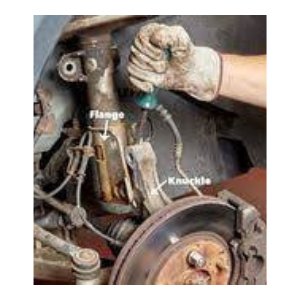
Insert a pry bar between the strut and steering knuckle. Carefully pry the knuckle until it separates from the strut flange.
Step 7: Loosen the Strut Mount Nuts
Use a socket ratchet to loosen the upper strut mount nuts, leaving one nut attached temporarily to support the strut.
Step 8: Remove and Replace the Strut
Carefully support and remove the old strut. Install the new strut in the same position and alignment as the old one.
Step 9: Install the New Strut
Ask a friend to help hold the new strut in place while you tighten the mounting nuts and bolts. Align the steering knuckle properly and check the camber angle.
Step 10: Reinstall Removed Parts
Reinstall all removed components, including the stabilizer bar, wheel speed sensor, and brake lines.
By following these steps carefully, you can successfully replace your shocks and struts and restore your vehicle’s ride quality and handling.
Have a Test drive after completing the Job
After replacing the worn-out struts, take your car for a short test drive to make sure everything is working properly.
Drive slowly at first and check for any unusual noises, vibrations, or handling issues. If the vehicle feels smooth and stable, you can be confident that the installation was successful.
How much does it cost to replace shocks and struts?
The cost of replacing shocks and struts depends on the type and quality of the parts you choose. Premium shocks and struts are more expensive, while budget-friendly options are more affordable.
On average, new shocks and struts cost between $100 and $200 per unit. Since the replacement process can require some physical effort, you may need help from a friend or mechanic. Labor or assistance can add another $50 to $100 to the total cost.
Overall, replacing shocks and struts yourself typically costs between $150 and $300, depending on the parts and additional help required.
Conclusion
In this article, we’ve outlined the 10 simple steps to replace your shocks and struts, making the process easy to follow and boosting your confidence to take on the task yourself. However, if you still have any questions or need further guidance, don’t hesitate to check out the tutorial video above to clear up any confusion.