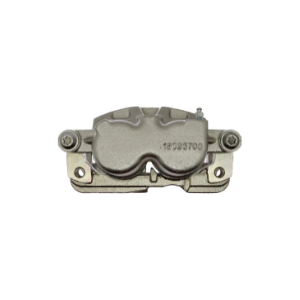
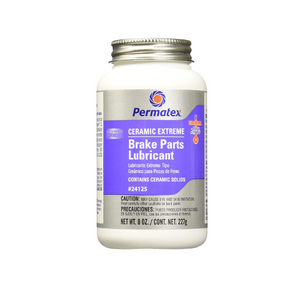
Do your brakes make irritating noises, or do you feel unsure about how well they’ll perform when you need them most? If so, it’s time to give your car’s braking system the attention it deserves. Your brakes aren’t just another car component—they’re a critical safety feature that protects you, your passengers, and everyone on the road.
One of the easiest yet most overlooked ways to maintain your brakes is by using brake grease. Proper lubrication helps prevent squealing noises, reduces wear, and ensures smooth, reliable braking performance. If you’re wondering, “How do I apply brake grease correctly?”—you’re in the right place.
In this step-by-step guide, we’ll walk you through the entire process in a simple, beginner-friendly way. By the end, you’ll know exactly where and how to apply brake grease, helping your brakes last longer and perform better every time you drive. Let’s get started!
How to Apply Brake Grease
Table of Contents
Now, let’s guide you through the correct way to apply brake grease at 10 essential points on your vehicle’s braking system. This process is straightforward and beginner-friendly, making it easy to follow even if you’re doing it for the first time. Proper lubrication not only ensures smooth braking but also helps extend the life of your brake components.
Start by safely removing the wheels. Once the wheels are off, loosen and remove both the upper and lower caliper bolts. Carefully lift the caliper and take out the brake pads, giving you clear access to the areas where brake grease needs to be applied.
By following each step carefully and paying attention to detail, you can lubricate your brakes correctly and keep them performing at their best. Let’s move ahead and restore smooth, quiet braking like new!
How to apply Grease on Disc
Things that you need to have for applying grease on Disc
Dirt cleaning Brush
Grease
Hand Gloves
Next, use a soft brush to gently clean the brake disc, removing all dust, rust, and debris from the surface. A clean brake disc is essential for proper braking performance and helps extend the life of your brake components.
Once the disc is completely clean, do not apply grease to the disc surface. Instead, apply brake grease only to the recommended contact points, such as the back of the brake pads, caliper contact areas, and guide pins. You can use a small brush, a thick sponge, or your gloved fingers to spread a thin, even layer of grease. Always wear gloves to protect your skin and keep the grease application clean.
By cleaning thoroughly and applying grease only where it’s needed, you’ll ensure quieter operation, smoother braking, and long-lasting brake performance. Your brakes will now be properly prepared to work safely and efficiently.
How to apply Grease On Brake Boot
Things that you need to have for applying grease on Brake Boot
Small Size Brush
Grease
At first clean the brake boot with a small size brush. Cleaning the brake boot is necessary because rust remains on it which damages the brake boot. After cleaning you must apply grease or lubricant the brake boot which will protect the brake boot from forming rust and keeps it well for a long periods of time.
How to apply Grease on Brackets
Things that you need to have for applying grease on Brackets
Small Size brush or file
Grease
Now, let’s move on to greasing the brake pad brackets, a crucial step that’s often overlooked. Improperly lubricated brackets can lead to irritating brake noise, uneven pad wear, and reduced braking performance. Taking a few extra minutes to grease them correctly will make a noticeable difference in how smoothly your brakes operate.
Step 1: Lubricate the Sliding Pin
Inside the brake bracket, you’ll find a sliding pin that allows the caliper to move freely. Carefully pull the pin out. Although many people skip this part, cleaning the pin is essential for proper brake function. Use a clean cloth or towel to remove dirt, old grease, and any signs of rust.
Once clean, apply a thin, even coat of silicone brake grease over the entire pin—avoid over-greasing. After that, gently reinstall the sliding pin back into its original position.
Step 2: Clean the Bracket Contact Surfaces
Next, focus on cleaning the bracket surfaces where the brake pads sit. Use a small wire brush to remove dust and light rust. For stubborn rust buildup, a file works well to smooth the surface.
Once the area is clean and smooth, apply a light layer of brake grease to the four pad contact points on the bracket. This helps the brake pads slide freely and prevents squeaking or binding.
Step 3: Avoid Greasing Fixed Pin Points
Finally, ensure the fixed pin points of the bracket are secure—but do not apply grease to these areas. Grease here can attract dirt and debris, which may cause the brake pads to stick or jam over time. Keeping these points clean and dry ensures long-term, trouble-free operation.
By following these steps carefully, you’ll prepare your brake brackets for quiet, smooth, and reliable braking, helping your entire braking system perform at its best.
If you’d like, I can:
- Convert this into a checklist format
- Simplify it further for first-time DIYers
- Optimize it for SEO or featured snippets
How to apply grease on Brake pads
Things that you need to have for applying grease on Brake Pads
Small Size Brush
Grease
Finally, let’s move on to greasing the brake pads, a vital step for achieving smooth, quiet, and reliable braking. Begin by thoroughly cleaning each brake pad with a clean, dry towel. Make sure all dust, dirt, and old grease residue are completely removed before applying any lubricant.
Next, apply a small, even amount of brake grease to the outer edges and backing plate of the brake pad. Be extremely careful not to apply grease to the friction surface—the part of the pad that makes contact with the rotor. Repeat the same process for the other brake pad. Proper lubrication in these areas helps prevent squeaking and allows the pads to move freely within the caliper.
Conclusion
If you’ve followed this guide step by step, you’re well on your way to maintaining your vehicle’s brakes like a pro. You now have a clear understanding of how to apply brake grease to the 10 critical points of your braking system, giving you the confidence to perform this maintenance task on your own.
Taking the time to grease your brakes correctly reduces noise, improves braking performance, and extends the life of your brake components. With everything properly lubricated and reassembled, you can enjoy a smoother, quieter, and safer drive. Happy driving—and stay safe on the road!
Can you put too much brake grease on?
The answer is no because excessive grease can catch dirt and dust. Excessive lubricant finds its way onto the caliper piston’s boot, the lubricant will attract metal particles that can destroy the rubber.
What happens if you don’t grease brakes?
If you do not grease brake then you can hear embarrassing noise from your vehicle’s brake. Secondly the brakes will not contact the rotor properly which can be the reason for unevenly wear of your brake pads. Thirdly the slide pin may stick.
How often should I grease my brakes?
You should grease your brakes after driving your vehicles for 10-15 thousand miles or after 1 year.
What brake parts should be lubricated?
Disc, Brake Boot, Sliding Pin, Brackets, Brake pads and ABS bearings and pistons etc.